Kitchen islands & layout
A kitchen island can add storage, seating, and better flow. But it can also create expensive problems if the size, clearances, wiring, plumbing, and ventilation are not planned well.
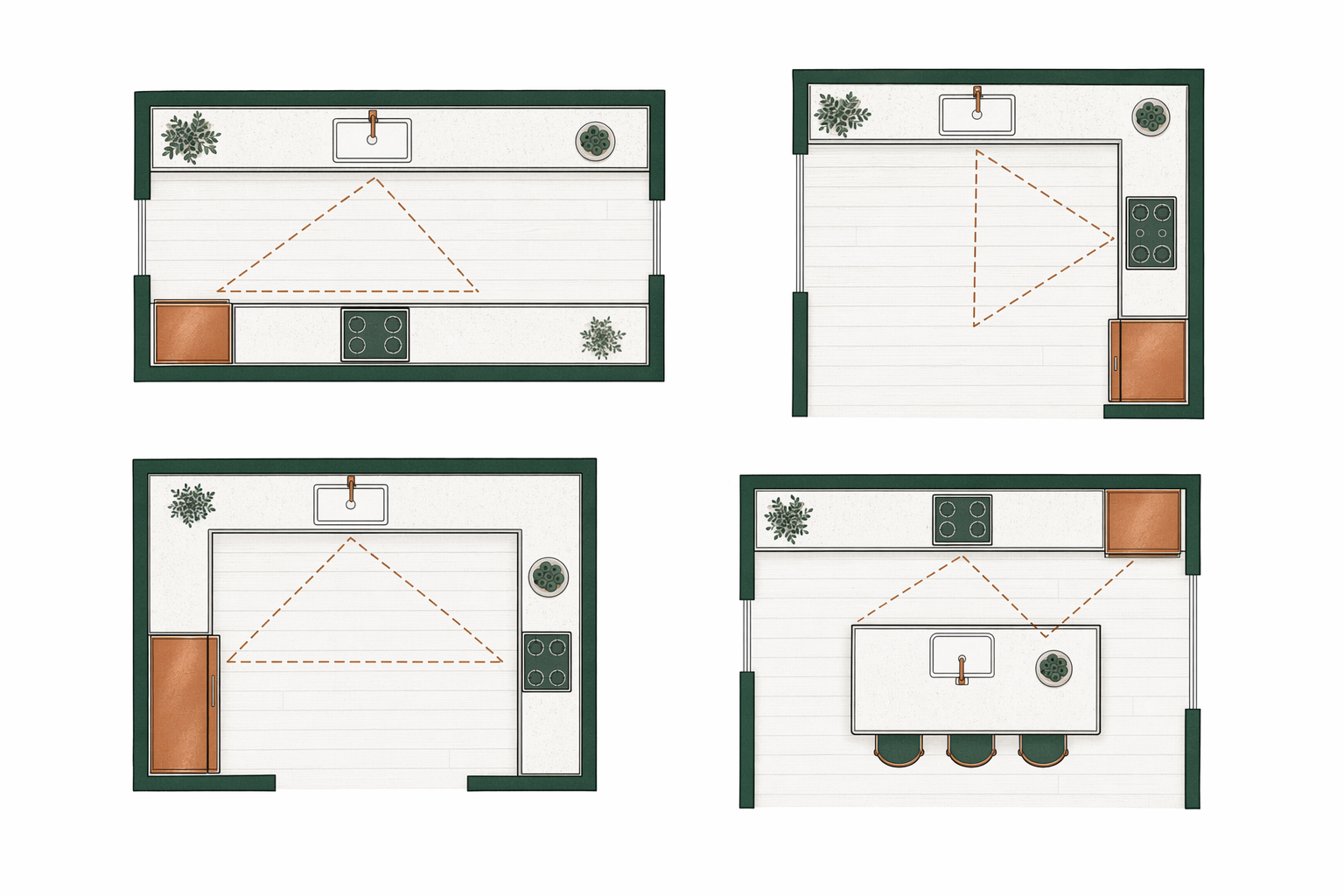
What a kitchen island and layout update really includes
A kitchen island project can be simple or major. Some homeowners add a small movable island or a basic cabinet island. Others change the whole layout by moving appliances, plumbing, walls, or electrical.
The real price depends on the size of the kitchen, the scope of work, the materials, and your area. That is why one island project might be a few thousand dollars, while another turns into a full remodel.
A typical island and layout update may include:
- New island cabinets or panels
- Countertop material and edge detail
- Seating overhang for stools
- New lighting above the island
- Electrical outlets required by local code
- Plumbing for a prep sink or dishwasher
- Flooring patching if cabinets move
- Changes to appliance locations
- Vent hood or duct changes if the cooktop moves
If your project also includes new cabinets or counters, it helps to look at cabinets and countertops at the same time. Those choices affect the island size, storage, and budget more than many people expect.
How the process usually works
A good island project starts with measurements, not inspiration photos.
- Measure the room and walking space. Most kitchens need comfortable clearance around the island so doors, drawers, dishwasher doors, and people can move without hitting each other.
- Decide what the island must do. Extra prep space? Seating? Microwave storage? Trash pull-out? Sink? Cooktop? The more jobs it does, the more it usually costs.
- Choose layout changes carefully. Keeping sink, gas, and major appliances near their current locations usually saves money.
- Get written estimates from licensed and insured remodelers. Ask for scope, materials, allowances, and who handles permits.
- Confirm code and permit needs. Electrical, plumbing, gas, and structural changes often need permits and inspections. Read kitchen permits explained before work starts.
- Review lead times. Cabinets, stone tops, and specialty lighting can take longer than expected.
CopperSill is free for homeowners. We help you plan the project and get matched with licensed, insured kitchen remodelers so you can compare options and choose who to hire. Start here: get matched.
Typical cost ranges for kitchen islands and layout changes
There is no single price for an island. A basic island added to an existing layout costs far less than an island that needs plumbing, new circuits, floor repair, and moved appliances.
Typical ranges:
- Small island refresh: about $3,000-$10,000 for a simple island, basic cabinet box, and standard countertop, usually with little or no layout change
- Mid-range island project: about $10,000-$30,000 for better cabinetry, quartz or similar counters, lighting, outlets, and moderate layout updates
- Major layout rework with island: about $30,000-$80,000+ when plumbing, electrical, gas, flooring, or walls move
- Full kitchen gut with new island: often $60,000-$150,000+ depending on kitchen size, materials, and your area
A few honest cost notes:
- Cabinets are often 25-30% of a full kitchen budget. Custom island cabinetry can push that higher.
- Quartz countertops are often about $60-$120 per square foot installed. Waterfall edges, thick slabs, large overhangs, and hard seams can raise the price.
- Adding a sink, dishwasher, or cooktop to an island usually increases labor and permit costs.
- Moving gas lines, drain lines, or load-bearing walls can change the budget fast.
If you are still setting a budget, our costs page can help you think in realistic ranges. Always get the price and scope in writing before any deposit.
Timeline: how long an island or layout project takes
The work itself may be quick, but the whole project often takes longer because of planning, ordering, and inspections.
Typical timeline:
- Planning and estimates: 1-3 weeks
- Design choices and final scope: 1-3 weeks
- Cabinet and countertop ordering: 2-10+ weeks depending on product
- Construction:
- Simple island install: a few days to 2 weeks
- Island with electrical or plumbing: 1-3 weeks
- Bigger layout change or full remodel: 4-10+ weeks
What slows projects down:
- Custom cabinets
- Countertop template and fabrication time
- Permit approval and inspections
- Hidden issues behind walls or under floors
- Change orders after work starts
A smart move is to ask each remodeler: What is the schedule, what could delay it, and what is included in the written scope? That answer tells you a lot about how organized they are.
Pros, cons, and layout mistakes to avoid
An island is not always the right answer. In a small kitchen, it can make the room feel crowded and frustrating.
Pros
- More prep space
- More storage
- Seating for family or guests
- Better separation between cooking and living areas
- Good place for outlets, microwave storage, or trash pull-outs
Cons
- Can block traffic if the room is too tight
- Extra cost for plumbing, electrical, and countertop overhang support
- More corners and edges to clean
- Can reduce clearance for appliances and cabinet doors
- Wrong size can make the kitchen feel worse, not better
Common mistakes
- Choosing an island that is too big for the room
- Not planning stool space and knee room
- Forgetting where dishwasher and oven doors open
- Adding a cooktop to the island without thinking about splatter and ventilation
- Ignoring local code for outlets and permits
- Ordering materials before the layout is fully confirmed
If you are also shopping for cabinet styles, finishes, and storage details, cabinet buying guide can help you avoid expensive changes later.
What to ask before you hire
Use these questions when you compare remodelers. Keep the answers in writing.
- Are you licensed and insured for this work in my area? Verify the license and insurance yourself.
- Have you built islands like this before? Ask about similar projects, especially if plumbing, gas, or walls are involved.
- What exactly is included in the scope? Cabinets, countertop, electrical, plumbing, flooring patch, painting, permits, cleanup?
- Who pulls permits and schedules inspections? Follow local permit and building code rules.
- What allowances are in this estimate? Allowances can hide future price increases.
- What happens if there is damage or an unexpected issue under the floor or behind the wall?
- What deposit is required, and when are payments due? Hold final payment until the agreed work is complete.
- What warranty do you provide, and what is excluded?
A reliable remodeler should be comfortable with clear questions. If someone avoids details, pushes for a fast deposit, or will not put the scope in writing, be careful.
How CopperSill helps you compare options
CopperSill does not remodel kitchens. We are a free matching service for homeowners. We help you explain your project clearly, including island size, layout goals, materials, and timeline, then we match you with licensed, insured kitchen remodelers who serve your area.
That matters because island projects can look simple online but get expensive in real life. The safest path is to compare written estimates side by side.
With CopperSill:
- You share basic project and contact details so remodelers can understand the job
- You compare estimates yourself
- You choose who to hire
- You keep control of the final payment
Before signing with anyone, verify license and insurance yourself, confirm permit responsibility, and make sure the written scope matches what you discussed. For a deeper checklist, read vet a kitchen contractor.
A kitchen island can help, but only if it fits the room and the plan. Get written estimates from licensed, insured remodelers, verify their license and insurance yourself, check permit rules, and compare the full scope before you pay a deposit.