Appliances & fixtures
Appliances and fixtures can change how your kitchen works every day, but they can also cause budget surprises fast. Here is a clear look at typical costs, timing, and how to plan the work so you can compare remodelers with confidence.
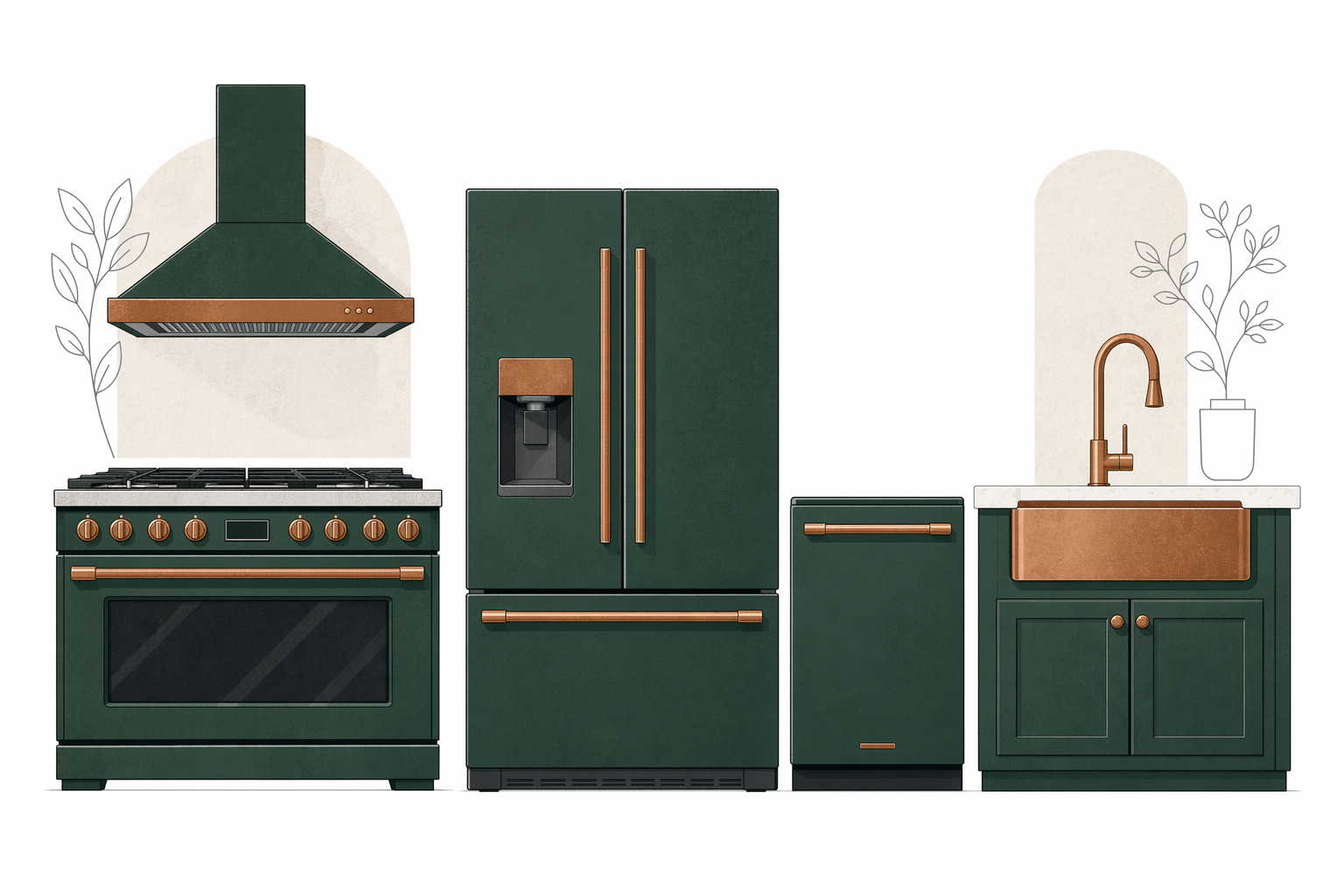
What counts as appliances and fixtures in a kitchen remodel
In kitchen projects, appliances usually mean the refrigerator, range or cooktop, wall oven, microwave, dishwasher, range hood, and sometimes a beverage fridge or wine cooler. Fixtures usually mean the sink, faucet, garbage disposal, pot filler, air switch, soap dispenser, and lighting that connects to the kitchen work area.
These items matter because they affect more than looks. They affect cabinet sizes, countertop cutouts, plumbing locations, electrical circuits, ventilation, and the final inspection in many areas. A new sink can change the base cabinet. A larger range can require a different hood. An induction cooktop may need electrical upgrades. A refrigerator with an ice maker may need a water line.
If you are remodeling the whole room, it helps to think about appliances and fixtures early, not at the end. That is especially true if you are also replacing cabinets or countertops. Small changes on paper can become expensive if they happen after cabinets are ordered or counters are templated.
Typical cost ranges homeowners should expect
These are typical US estimates, not quotes. The real price depends on the size of your kitchen, the scope of work, the materials and brands you choose, and your area.
For the full kitchen project, a rough guide is:
- Minor refresh: about $5,000-$25,000
- Mid-range remodel: about $25,000-$60,000
- Full gut remodel: about $60,000-$150,000+
Within that budget, appliances and fixtures can take a small or very large share.
Typical installed or purchase ranges many homeowners see:
- Basic dishwasher: $400-$900
- Mid-range dishwasher: $900-$1,500
- Range: $700-$3,000+
- Cooktop and wall oven combo: $2,000-$6,000+
- Refrigerator: $900-$4,000+
- Range hood and venting: $500-$2,500+
- Microwave or drawer microwave: $200-$1,500+
- Kitchen sink: $200-$1,200+
- Faucet: $150-$900+
- Garbage disposal: $150-$500+
- Pot filler: $200-$900+ plus labor
- New lighting fixtures: often $150-$1,000+ each depending on type and wiring needs
Labor and related work can add a lot:
- Appliance installation: often a few hundred dollars per unit
- Plumbing changes for sink, dishwasher, or fridge line: often hundreds to a few thousand dollars
- Electrical upgrades for new circuits or code fixes: often hundreds to several thousand dollars
- Venting a hood to the outside: often hundreds to a few thousand dollars depending on route and wall or roof work
If you want a bigger picture on kitchen budgets, see costs. One useful rule of thumb: cabinets are often 25-30% of the total kitchen budget, so appliance choices need to fit the full plan, not fight it.
How the process usually works
A smooth appliance and fixture plan usually follows this order:
- List what stays and what goes. Keep only items that are in good shape and truly fit the new layout.
- Choose the layout first. The location of the sink, range, fridge, and dishwasher drives plumbing, electrical, and workflow.
- Pick appliance sizes before cabinets are finalized. Width, height, door swing, ventilation needs, and panel-ready specs matter.
- Confirm utility needs. Gas, 240V electric, standard outlets, dedicated circuits, water line, drain, disposal, and hood ducting all need a plan.
- Order long-lead items early. Some appliances, specialty sinks, and custom fixtures can take weeks or months.
- Install in the right sequence. Rough plumbing and electrical usually happen before walls close. Cabinets usually come before countertop templating. Final appliance hookup and faucet installation usually happen near the end.
This is where many homeowners get burned: they buy appliances because of a sale, then find out the sizes do not fit the cabinet plan, the handle hits a wall, or the hood cannot vent as expected. A licensed, insured remodeler should flag those problems early. You can start the process by getting matched at get-matched.
Timeline and where delays happen
If you are only swapping a faucet, sink, or one appliance with no major changes, the work may take a day or two once materials are in hand. If appliances and fixtures are part of a full kitchen remodel, they usually fit inside a bigger timeline of several weeks to a few months.
Common delay points:
- Backordered appliances or damaged deliveries
- Cabinet changes after appliance specs are already set
- Countertop template delays if sink or cooktop cutout details are missing
- Electrical surprises in older homes, like missing dedicated circuits or outdated panels
- Ventilation issues when a new hood needs a better duct path
- Permit and inspection timing in your city or county
A good remodeler should tell you what must be selected early and what can wait. If the job includes moving plumbing, gas, or wiring, ask how local permits and inspections may affect the schedule. Follow local permit and building code rules, and read kitchen permits explained before work starts.
Pros, tradeoffs, and where to spend vs. save
Not every upgrade is worth the money for every household. Try to match the kitchen to how you cook and clean.
Worth paying attention to
- A quieter dishwasher if your kitchen is open to the living area
- A sink and faucet that fit the way you wash large pots and pans
- Good task lighting over prep areas
- A hood that actually vents well for your cooking style
- Easy-to-clean finishes on faucets, sinks, and appliance fronts
Places people overspend
- Pro-style appliances they rarely use
- Oversized fridges that block walkways or door swings
- Trendy fixtures with poor replacement-part support
- Fancy add-ons that create extra plumbing or electrical cost without much daily value
Places people underspend
- Ventilation
- Installation details
- Electrical capacity for new appliances
- Sink size and faucet reach
If you are comparing surfaces too, quartz countertops are often about $60-$120 per square foot installed, but the final price depends on edge details, cutouts, thickness, and your area. Material choices can affect sink mounting, faucet hole drilling, and schedule, so it helps to review countertop material options before you lock in fixture choices.
Questions to ask before you hire anyone
Use these questions when you compare remodelers:
- Are you licensed and insured for this type of work in my area? Then verify the license and insurance yourself.
- Who handles appliance specs and checks that everything fits the cabinet and countertop plan?
- Will you measure doorways, stairs, and delivery access before ordering large appliances?
- What electrical, plumbing, gas, or venting changes do you expect?
- Will permits be needed, and who is responsible for scheduling inspections?
- What items should I buy early because of lead times?
- What is included in the written scope: delivery, haul-away, hookups, trim kits, panels, shutoff valves, new lines, vent parts, disposal of old fixtures?
- What is excluded from the price?
- How do you handle damaged appliances or missing parts on delivery?
- When is the final payment due?
Always get the price and scope in writing before any deposit. Keep model numbers in the paperwork. If you are also buying cabinetry, this cabinet buying guide can help you avoid fit problems between appliance openings and cabinet orders.
How CopperSill helps
CopperSill does not remodel kitchens. We are a free matching service that helps homeowners plan the project and compare licensed, insured kitchen remodelers.
Here is what that means for you:
- Free to use for homeowners
- You share basic project and contact details only
- We help you connect with remodelers who handle kitchen work in your area
- You compare quotes
- You choose who to hire
- You hold the final payment until the job is completed as agreed
Please protect yourself on every project:
- Hire licensed and insured remodelers
- Verify license and insurance yourself
- Get the full scope, materials, model numbers, and payment terms in writing
- Follow local permits and code requirements
If you want help finding remodelers to compare, start here: get matched. If you want a broader look at a full project, see full kitchen remodel.
Pick your layout first, then choose appliances and fixtures that fit it. Compare written scopes from licensed, insured remodelers, verify their license and insurance yourself, and do not pay based on a verbal promise.